
- English
- Español
- Português
- русский
- Français
- 日本語
- Deutsch
- tiếng Việt
- Italiano
- Nederlands
- ภาษาไทย
- Polski
- 한국어
- Svenska
- magyar
- Malay
- বাংলা ভাষার
- Dansk
- Suomi
- हिन्दी
- Pilipino
- Türkçe
- Gaeilge
- العربية
- Indonesia
- Norsk
- تمل
- český
- ελληνικά
- український
- Javanese
- فارسی
- தமிழ்
- తెలుగు
- नेपाली
- Burmese
- български
- ລາວ
- Latine
- Қазақша
- Euskal
- Azərbaycan
- Slovenský jazyk
- Македонски
- Lietuvos
- Eesti Keel
- Română
- Slovenski
- मराठी
- Srpski језик
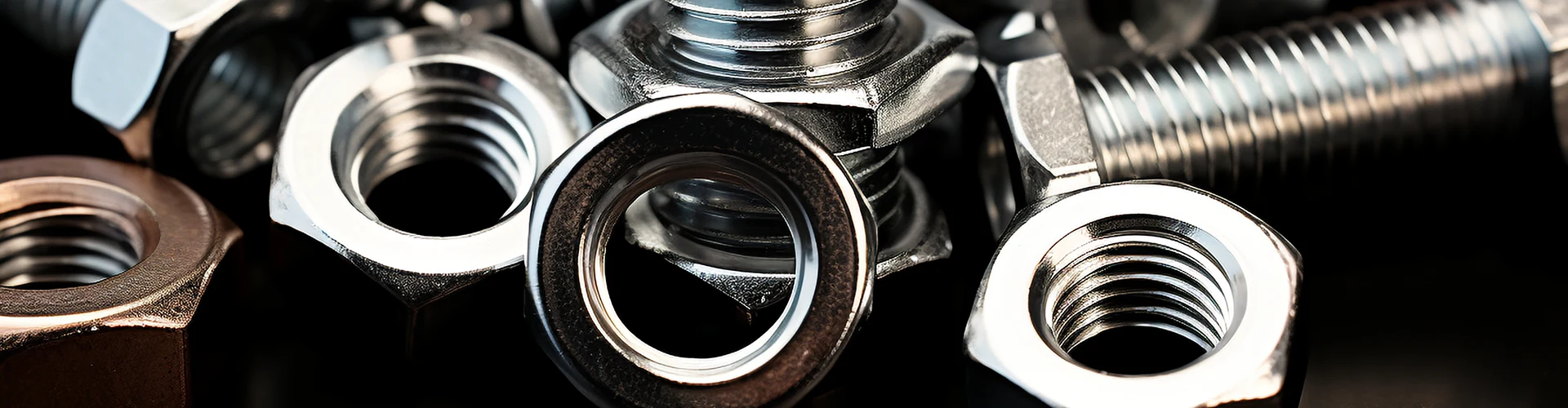
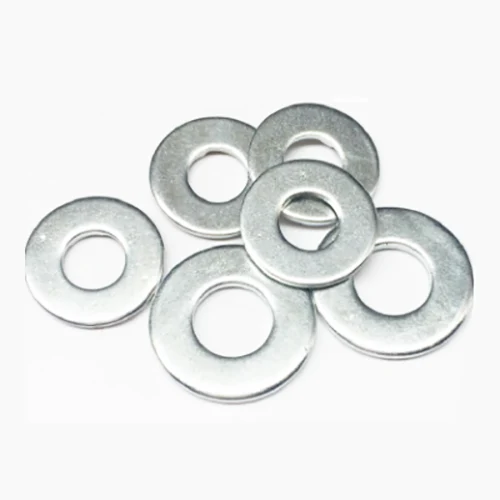
Plain Washers
For superior load distribution and stability, choose XIAO GUO's advanced Plain Washers. Its integrated wide flange acts as a built-in washer, increasing bearing surface to prevent loosening under vibration, making us a leading China Hex Large Flange Nut supplier for automotive and structural applications.
Model: GB/T 97.1-2002
Send Inquiry
Product Description
Alright, using Plain Washers is pretty straightforward—no need for complicated steps. First off, make sure the bolt, the nut, and the surface of whatever you're fastening are clean. Just wipe off any dirt, rust, or oil so the washer can sit tight and help keep things from loosening later. After that, slide the Plain Washer onto the bolt before you thread the bolt into your material or line it up with the nut.
Try to keep the washer flat against the workpiece. If it's tilted, it won't spread the load evenly and the connection might not hold as well. Next, start threading the nut on by hand, then finish tightening with a wrench until you reach the right torque. The main thing is to pick a washer that fits the bolt: the inside hole should be a little bigger than the bolt’s shank, and the outer diameter should match the thickness of your material.
If you're working with thin or soft material, go for a washer with a bigger outer diameter—it helps spread out the pressure so you don't dent or damage the surface. In places with a lot of vibration, it's a good idea to check the washer every now and then to make sure it hasn't shifted out of place. Since Plain Washers are always used together with a bolt and nut, just follow these simple tips and your fastener should stay nice and secure.
Product Packaging
For small orders or when you're just getting a sample, here's what happens: we count out the washers—usually 100 or 200 pieces at a time—and put them into clear plastic bags. This keeps them together so none get lost, and stops them from scratching against each other. Those bags then go into a sturdy cardboard box. We'll also add some foam padding or bubble wrap around the bags inside the box. That way, if the package gets bumped around or stacked with others during shipping, the washers inside are protected and shouldn't get dented or banged up.
For bigger bulk orders, it's a bit different. We sort the washers by size and pack them neatly into strong cartons. These boxes have a waterproof plastic liner inside, which is really helpful for keeping moisture out. This is especially important if they're going on a long boat trip or will be stored somewhere that's a bit damp. If it's a really large order—say, over 50kg—we'll stack those filled cartons onto a standard wooden pallet and secure everything tightly with plastic straps. This stops the boxes from sliding around or toppling over while they're being moved on a truck or ship.
Every single package, whether it's a small box or a full pallet, gets a label with the basic info: what size the washers are, how many are inside, the weight, and a batch number. That just makes it simpler for you to check what you've received and sort everything when it arrives. We try to use just enough packaging to do the job properly—enough to protect the washers so they show up in good shape, but not so much that we're wasting material and driving up costs for no reason.
Q&A Session
Q: What materials are Plain Washers made of?
A: It usually come in three main materials: carbon steel, stainless steel, and aluminum. Carbon steel ones are the budget-friendly option, good for most indoor jobs where you just need something reliable and inexpensive. Stainless steel is the better pick if you're working in a damp place or somewhere things might corrode, since it handles moisture and rust a lot better. And aluminum is used when you need to keep things light—like in electronics or some DIY projects—because it's much lighter than steel. The thing is, all of these materials are strong enough for everyday fastening work in shops, factories, or at home. You don't have to worry about them not holding up for normal use; they'll do the job just fine as long as you pick the right type for where you're using them.



Hot Tags: Plain Washers, China, Manufacturer, Supplier, Factory
Related Category
Send Inquiry
Please Feel free to give your inquiry in the form below. We will reply you in 24 hours.